


Lake Como Photography Workshop Guide
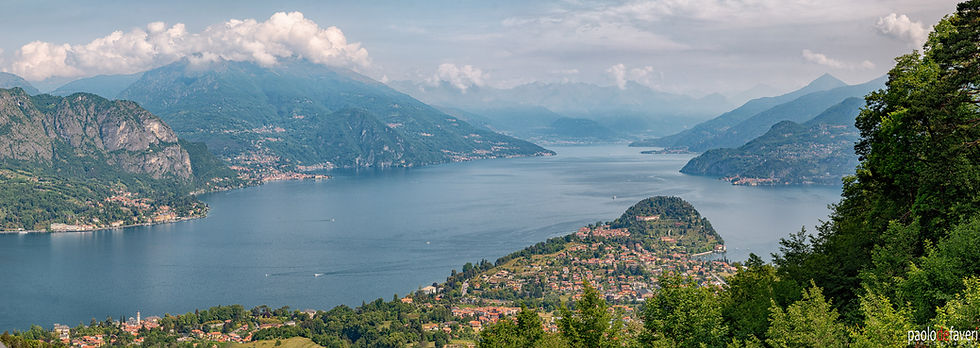
The first mistake most photographers make at Lake Como is assuming the lake will do all the work for them. It is photogenic, yes, but it is also demanding. Light disappears quickly behind steep mountains, famous viewpoints get crowded, and the difference between a pleasant travel snapshot and a portfolio-worthy frame often comes down to timing, position, and patient instruction. A well-designed lake como photography workshop turns that challenge into the real value of the experience.
Lake Como is not just one location. It is a chain of villages, ferry crossings, mountain roads, grand villas, and constantly shifting weather conditions that can look refined and luminous one hour, then dark and dramatic the next. For photographers, that variety is the attraction. For workshop participants, it is also why local guidance matters so much.

Why a Lake Como photography workshop works so well
Some destinations are easy to photograph casually but hard to photograph with depth. Lake Como belongs in that second category. The scenery is instantly appealing, yet stronger images usually come from understanding how the terrain shapes the light and how the human presence - boats, facades, gardens, steep lanes, waterfront promenades - can support composition rather than distract from it.
In a workshop setting, that learning becomes much more efficient. Instead of spending your best sunrise wondering whether the viewpoint is around the next bend, you arrive in the right place with a clear purpose. Instead of returning home with hundreds of similar frames, you work through lens choice, visual hierarchy, exposure control, and editing decisions with intention.
That is especially valuable for serious hobbyists and advanced amateurs who have already moved beyond the basics. If you know how to operate your camera but want your images to feel more deliberate, a guided workshop helps bridge that gap. Lake Como is ideal for this because it offers both obvious beauty and subtle problems to solve.

What you actually photograph at Lake Como
The lake is often associated with elegant villas and polished travel imagery, but from a photographic point of view, its range is broader than many visitors expect. You can work on classic layered landscapes from elevated viewpoints, minimalist scenes on still mornings, intimate village details, architectural studies, and atmospheric weather-driven images when the mountains disappear into cloud.
Bellagio, Varenna, and Menaggio are the best-known names, but a strong workshop rarely depends only on the most obvious stops. The real strength comes from moving between iconic locations and quieter positions that offer cleaner compositions and better control over background elements. In practical terms, that may mean shooting lakeside villages at first light before foot traffic builds, then shifting later in the day to upper roads or hillside overlooks where the geometry of the shoreline becomes more legible.
This is one of the reasons Lake Como rewards photographers who are willing to work across multiple days. The same village can produce entirely different results in soft overcast conditions, direct morning light, or post-storm haze. A single pass rarely shows the place at its best.

The best season depends on the images you want
There is no one perfect season for every Lake Como photographer. Spring is often the most balanced choice, especially for workshops. Gardens and lakeside vegetation are fresh, temperatures are comfortable, and the shoulder season can offer a better balance between activity and atmosphere. The light can still be variable, which is often a benefit for photography.
Autumn is excellent for photographers who prefer quieter scenes and softer tonal transitions. The air can be clearer, crowds usually ease compared to peak summer, and the mood of the lake often becomes more restrained and cinematic. If your taste leans toward nuanced color, layered mountain depth, and reflective water under gentler light, autumn can be especially rewarding.
Summer has obvious appeal, but it comes with trade-offs. Longer days provide more shooting opportunities, yet the middle of the day can be harsh and busy. For some travelers, that is acceptable if the workshop is structured carefully around early and late sessions, with instruction, image review, or rest built into the brighter hours.
Winter can be beautiful, though it is more selective. You may gain stillness and atmosphere, but not every location feels equally active or visually rich at that time. It depends on whether your priority is mood, access, or variety.

What you learn in the field
A good lake como photography workshop is not just a tour with camera stops. The educational value comes from working on location-specific decisions that are hard to teach in a classroom. Foreground management is a perfect example. Along the lake, railings, boats, parked vehicles, and busy edges can weaken a frame quickly. Learning how to shift position by a few feet, change focal length, or wait for a cleaner moment often makes more difference than any gear upgrade.
Exposure is another key area. Bright water, shaded streets, pale facades, and dark mountains can create challenging contrast, especially in mixed weather. Field instruction helps you decide when to protect highlights, when to bracket, and when a scene is better translated into a lower-key interpretation rather than forced into an evenly lit file.
Then there is composition at different scales. Lake Como is not only about wide scenic views. Some of the most memorable images come from compressing layers across the lake, isolating a church tower against mountain haze, or using stairways, arches, and narrow passages to frame glimpses of water. The workshop environment allows those decisions to be discussed in real time, while the scene is in front of you.

Small-group and private formats make a real difference
This destination especially benefits from personalized instruction. Lake Como has many variables - weather, ferries, local access, changing light, physical pacing, and different photographic interests. A small-group or private format makes it possible to adapt rather than push everyone through a fixed sightseeing route.
That matters if one participant wants to focus on long exposures and another wants to improve visual storytelling in village settings. It matters if cloud cover changes the original plan and an elevated viewpoint no longer makes sense. And it matters if your own goal is not simply to come back with attractive images, but to understand why one location works better at dawn while another becomes stronger after the sun drops behind the ridge.
This is where direct mentorship has the most impact. You are not just being shown places. You are being taught how to read them.

Editing is part of the workshop, not an afterthought
Lake Como images often look refined when they are processed with restraint. The place already has structure, color, and mood. Heavy editing tends to flatten the nuance that makes the lake distinctive. For that reason, post-processing sessions are especially important after the fieldwork.
A strong workshop should help you carry the intention of the shoot into the final file. That may include shaping contrast carefully in mountain backgrounds, keeping water tones natural, balancing warm village lights against cooler ambient light, or preserving a soft atmosphere rather than forcing excessive clarity into every frame.
For many photographers, this is where growth happens fastest. They realize the issue was not just where they stood, but how they interpreted the file afterward. Italy Photography Workshops approaches this as part of the creative process, not a separate technical add-on. Field capture and editing should support the same photographic voice.

Who this kind of workshop is really for
Lake Como appeals to a wide audience, but not every traveler wants the same experience. If your goal is simply to see famous locations and take casual photos along the way, a standard trip may be enough. A workshop is better suited to photographers who want time, repetition, critique, and a more thoughtful rhythm.
That includes serious enthusiasts who feel technically capable but creatively inconsistent. It includes advanced amateurs building a stronger portfolio. It also fits developing professionals who want destination-specific guidance without wasting days on trial and error.
The destination does not require extreme physical effort compared with high alpine workshops, but it does reward flexibility. Ferry schedules, changing weather, and village terrain can shape the day. The best participants are usually those who enjoy working with conditions instead of expecting every session to unfold exactly as planned.

Choosing the right Lake Como photography workshop
When evaluating a workshop, look beyond the destination name. Ask how much actual instruction is built into the schedule. Ask whether the format is private or limited to a small group. Ask how the itinerary responds to season, weather, and skill level. Ask whether image review and editing are included, because that is often where the workshop becomes educational rather than purely logistical.
It is also worth asking what kind of photography the experience prioritizes. Some Lake Como programs lean toward travel imagery and general sightseeing. Others are built for photographers who want to slow down, revisit locations in stronger light, and refine both field technique and post-processing decisions. Neither approach is wrong, but they are not the same product.
Lake Como is generous, but it is not automatic. The more seriously you photograph it, the more it asks from you - attention, patience, and the willingness to return to a scene when the conditions finally align. That is exactly why it works so well as a workshop destination. With the right guidance, you do not just leave with better photos. You leave seeing the place, and your own process, with sharper intent.


Comments